Idk why, but I often find myself drawn to people who have gone through traumatic childhoods (I don’t meet many people tbh, so this ratio feels staggeringly high for such a small dataset). I think some of it is my own bias, but I don’t have any proof to support it.
One such case was a girl I met very recently. Just by talking to her and observing how she moves through the world, it made me think about some common (non scientific) traits I tend to notice in people like this:
- In certain areas of emotional intelligence, they show much higher maturity for their age.
- You can often see it on their faces: tired eyes, usually dark circles (probably from poor sleep), higher stress indicators (darkened skin, white hair, body fat), low confidence, and low self esteem. They are either very shy or overly loud, and often carry either anger or a kind of blankness in their expression.
- They usually don’t have an Insta account or any social media, and even if they do, they post rarely and often have a high following/follower ratio.
- Low self esteem tends to lead to high anxiety levels. This often reduces cognitive bandwidth, making sustained attention difficult.
- If they are more of the fighter type, they can be extremely intense, loud, and fragile, expressively angry, and prone to burnout. Sometimes they even come across as inauthentic.
But we live in a world where watching someone else’s life, especially someone with a stable family background, is just one Insta post away. That creates a huge problem: constant comparison. The feeling of “I amount to nothing” becomes common, which leads to depression and social isolation.
The girl I met seems to have cracked something. Despite traumatic experiences such as abuse, her parents’ divorce, and financial hardships, she somehow found a way to live without being consumed by her past.
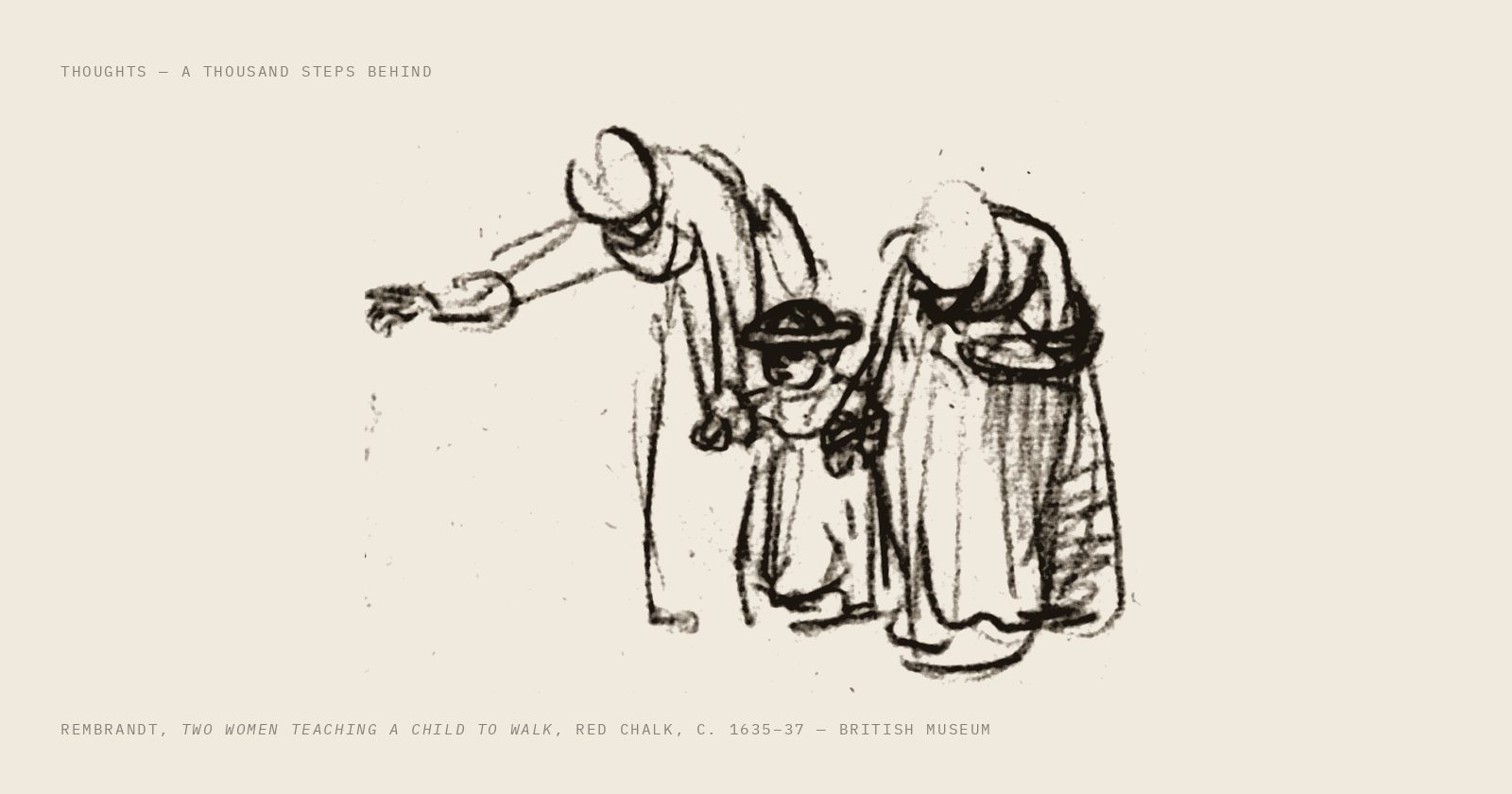
It’s actually quite simple, IMO. She accepted that she might be a thousand steps behind a typical person and focused on taking one step at a time. At the same time, she kept her boundaries strong, avoiding thoughts or situations that would disrupt her process or dwelling on things she couldn’t control. She did have dark circles and was clearly under stress, but the smile she carried and the confidence she expressed didn’t feel fake. She knew she had problems, but she also believed she could fight them.
Not trying to turn into a motivational guru, but I do have a few simple rules, borrowed from people I observe and admire:
- Acceptance: you can’t change the people around you.
- Neglect: you can choose what to focus on and what to ignore.
- Cognitive belief: you can use your thinking mind to interrupt emotional decline.
- Curiosity: love for yourself and others isn’t possible without curiosity. It’s also an antidote to anxiety.
- Autonomy: you can pick up your bags and leave anytime. Eat, travel, have sex, or stay still, be a kid (again!)…you have freedom.
The fifth point is only possible when the first four are at least partially developed. Although I write honestly (with just one pass through an LLM for grammar check, nothing else, I promise), I’m not an emotionally mature human (if I’ve to believe my close friend, I’ve the maturity of a teenager). I think this is the topic which needs much more attention in the near future. People are starting to realize how childhood affects everything. Indians are finally waking up! (I’m rather slightly too excited about it).