Bangalore · 2026
I want to start with an idea that has been sitting with me for a while, which is that whatever you see in other people is just a reflection of you. Not in some vague spiritual sense but in a very specific way: you only ever meet that side of a person which you have already developed within yourself. The parts of them you cannot see are the parts of you that don't yet exist. Which means every encounter, if you pay enough attention, is really just a report on your own interior.
I went to Bangalore for a few days to test this. Deliberately. I am by nature a loner, never had many friends, never particularly liked having people around me, but I have been reading books again lately and one thing books do which nothing else quite does is show you doors you didn't know existed. One such door was this unconscious need I apparently have to connect with people, which surprised me when I noticed it. So the experiment was simple: visit a city, meet as many people as possible, use small talk as a method even though I hate it, and try to understand each person's life in the smallest amount of conversation possible. Observe how they dress, carry themselves, interact with others. Write it down. The real goal underneath all of this was to get rid of the version of me that seizes up in front of strangers. To tell him he matters. To see if the world outside my perception of it was actually as hostile as I had been assuming.
It wasn't. But the more interesting discovery was how much my own perception was shaping what I was seeing at every single step.
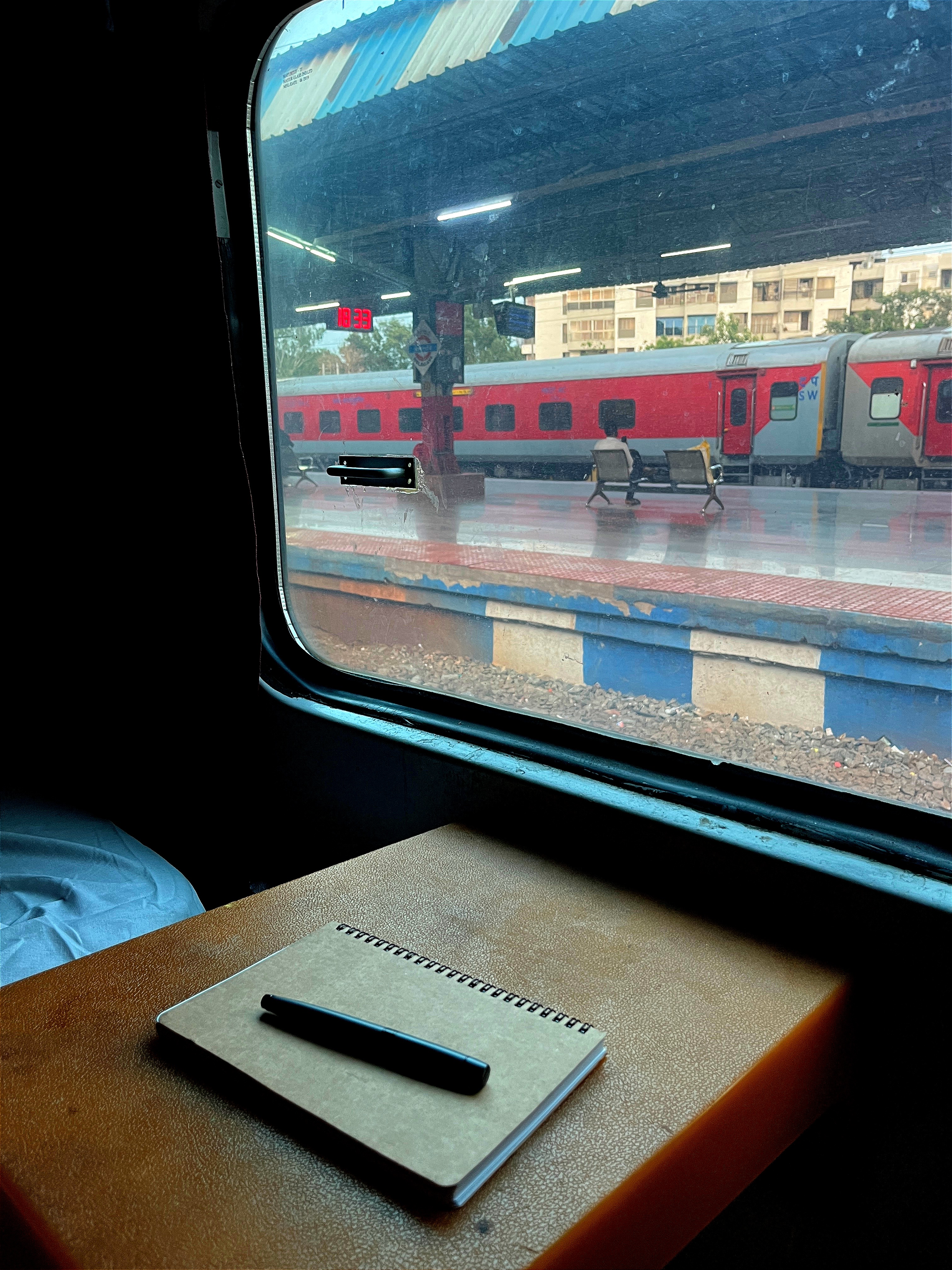
The first person I met was on the train, a girl in her late teens who was reading a book and calling her friend to discuss the characters in it. Easy opening. "Hey, seems like you're into books, what are you reading?" The conversation moved into literature, psychology, ideas. She was about to enter college and wanted to study psychology, which is a subinterest of mine, and by the end I had given her more book and movie recommendations than she had probably asked for.
When she left the cabin went quiet and something shifted in me. Not sadness exactly but a very specific kind of recognition, because her enthusiasm and her unguarded curiosity had briefly made visible something I hadn't looked at directly in a while, which is that my own relationship with curiosity has quietly changed over time. I used to move toward ideas the way she did, without protecting myself from them first. At some point that changed and I'm still not entirely sure when or why, whether it was a decision I made or just the slow accumulation of being wrong about things enough times that approaching new ideas started to feel expensive. Hesitance looks like wisdom from the inside. It feels like being careful and considered. But sitting across from her I could see it more clearly for what it sometimes actually is, which is just the habit of standing at the threshold of things rather than walking in.
She showed me that. She didn't know she was doing it. She was just being seventeen and curious and I was the one who needed the mirror.
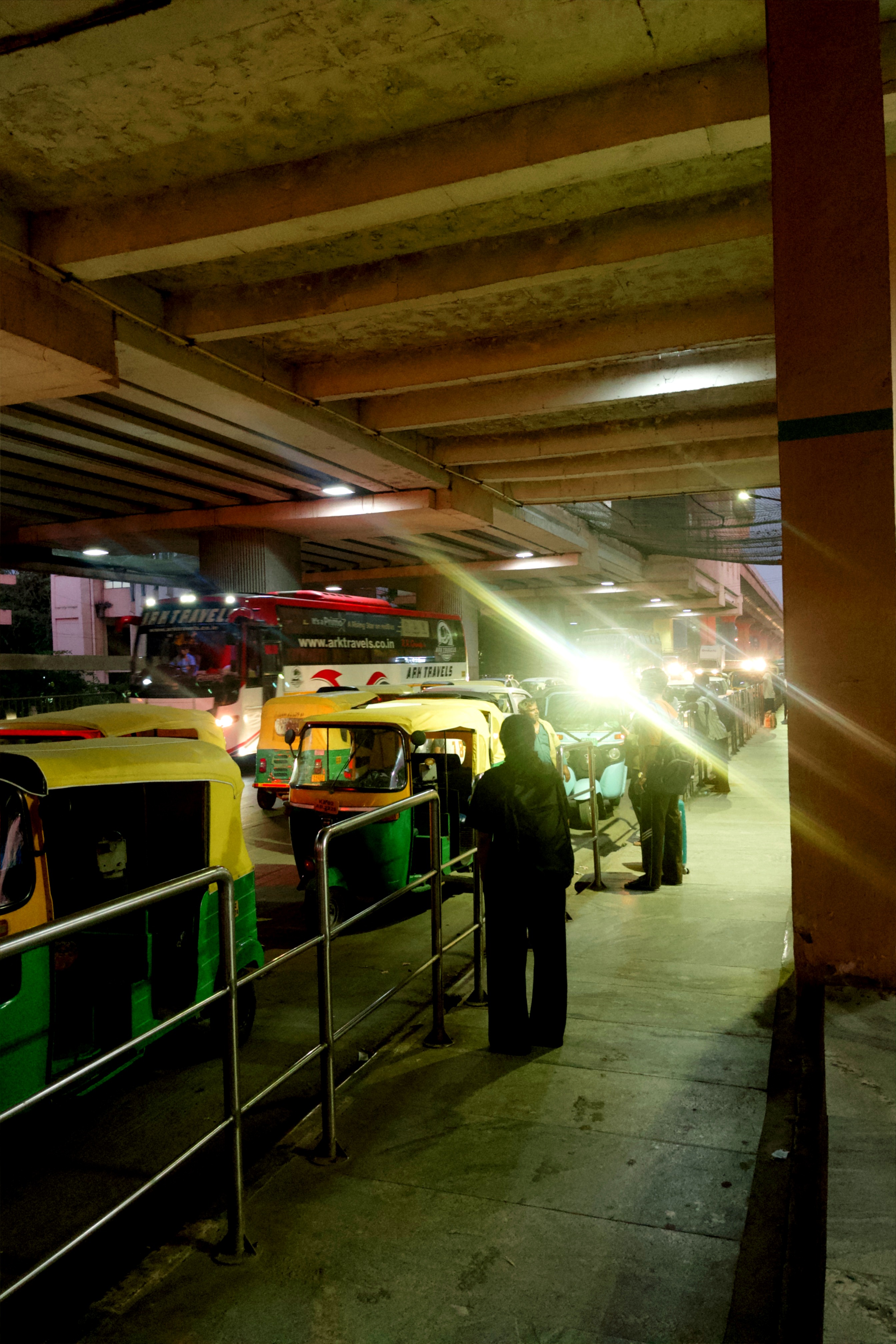
The most obvious case of perception distorting reality came the moment I arrived in the city itself. Standing there waiting to be picked up, I had an immediate and very clear feeling that Bangalore had already rejected me, that it was not interested in whether I was there or not, that I was an imposter in a place built for engineers and employed people and not for someone who is still figuring things out. I wrote this down: the city has already rejected me. It felt true.
It wasn't true at all. It was entirely projection. The city was indifferent, the way cities are indifferent, but I was reading that indifference as a verdict because I was already carrying a verdict about myself and the city simply gave it somewhere to land. What I understand now is that ambiguity about your own worth doesn't stay internal. It projects outward, and once it's outside you, neutral things start to read as negative ones, silence becomes judgment, indifference becomes rejection. I arrived in Bangalore already certain I didn't belong there, and then I looked around for evidence and found it everywhere, because that is what perception does when you let it run unsupervised.
The reason I had come was to challenge exactly this. Sometimes you have to use your thinking brain to tell your feeling brain that the uncomfortable step is the necessary one, because there is no other way to see the future from where you are currently standing. "Dar ke aage jeet hai." Roughly: victory is on the other side of fear. Which is what this trip was about, encounter by encounter, perception by perception.
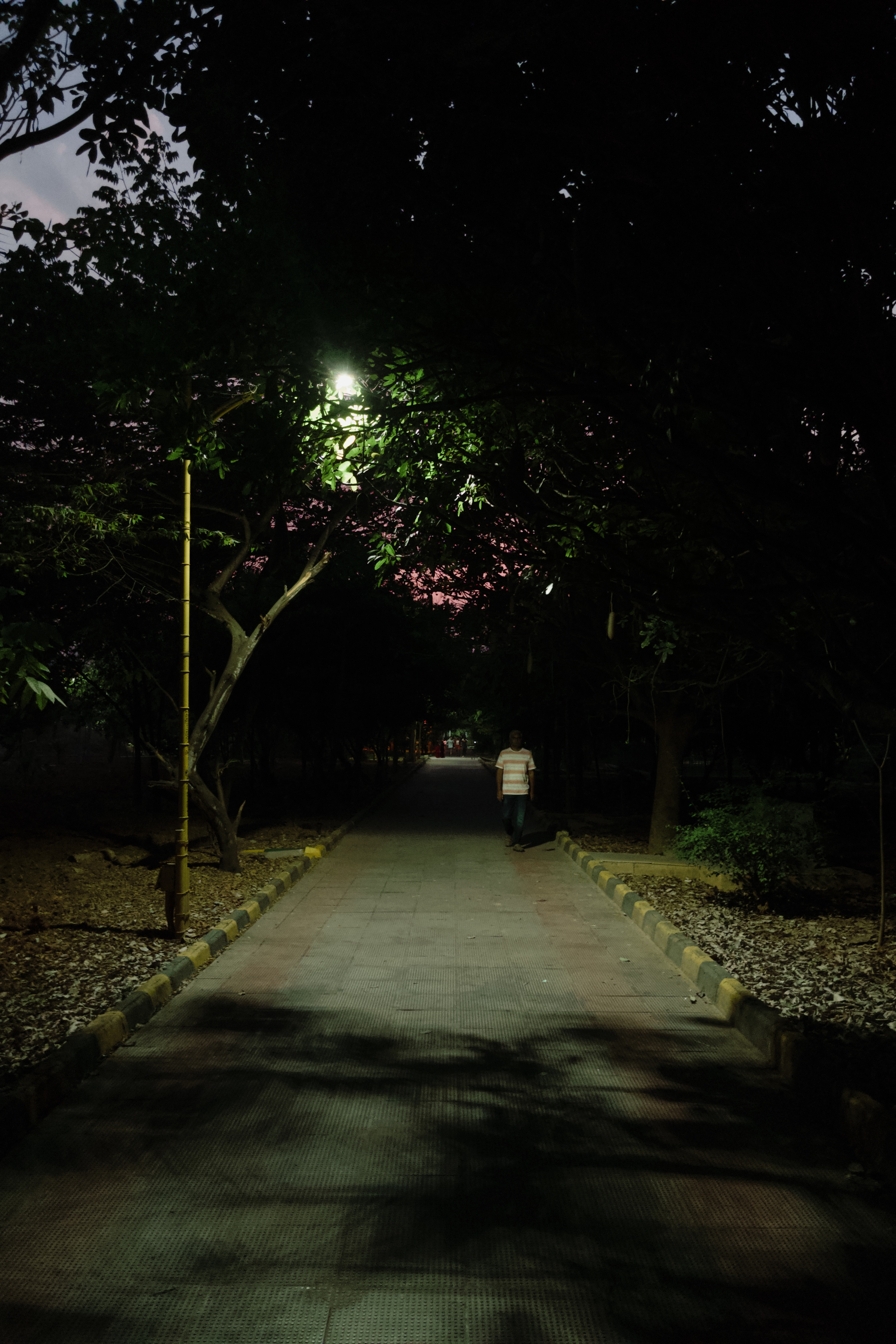
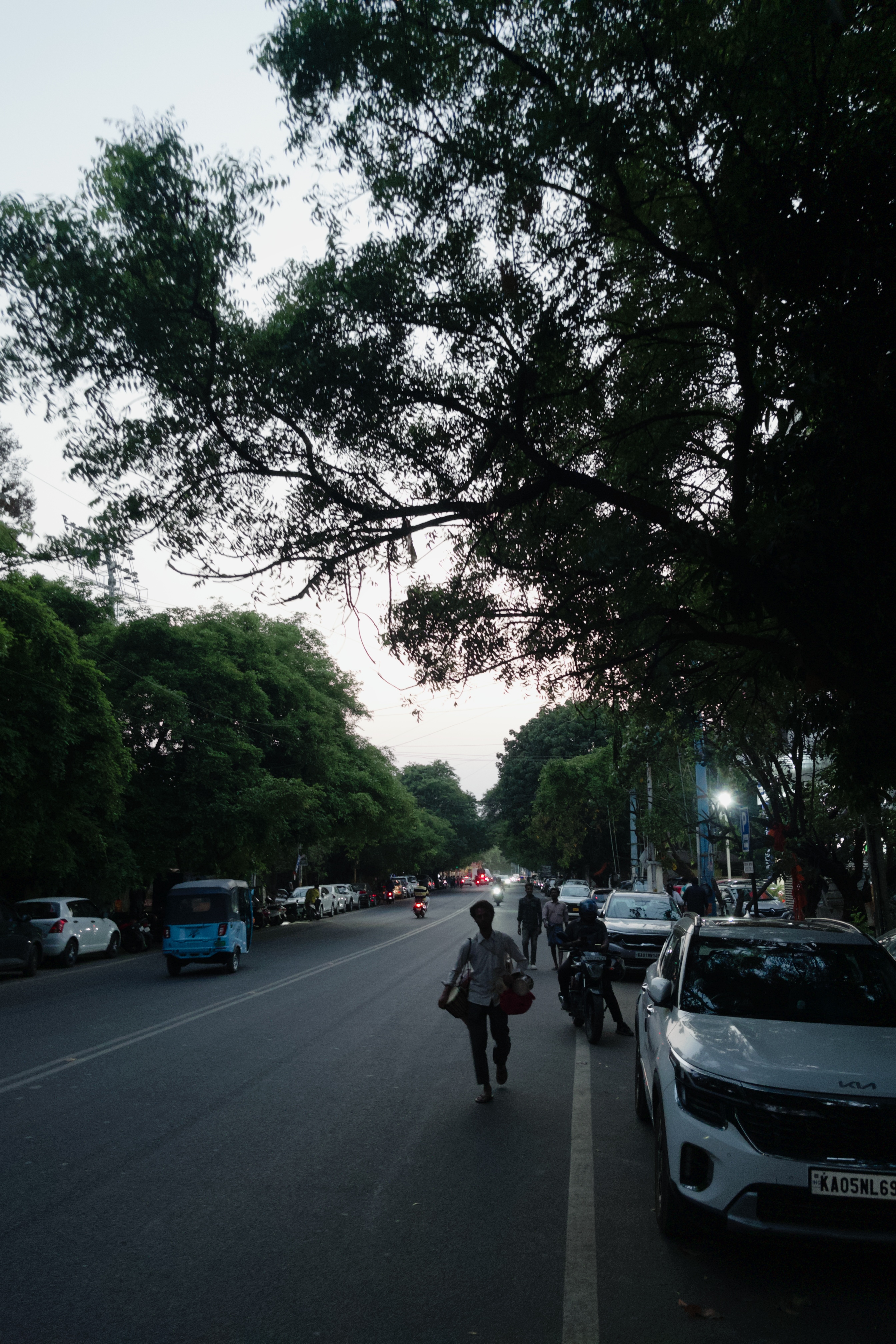
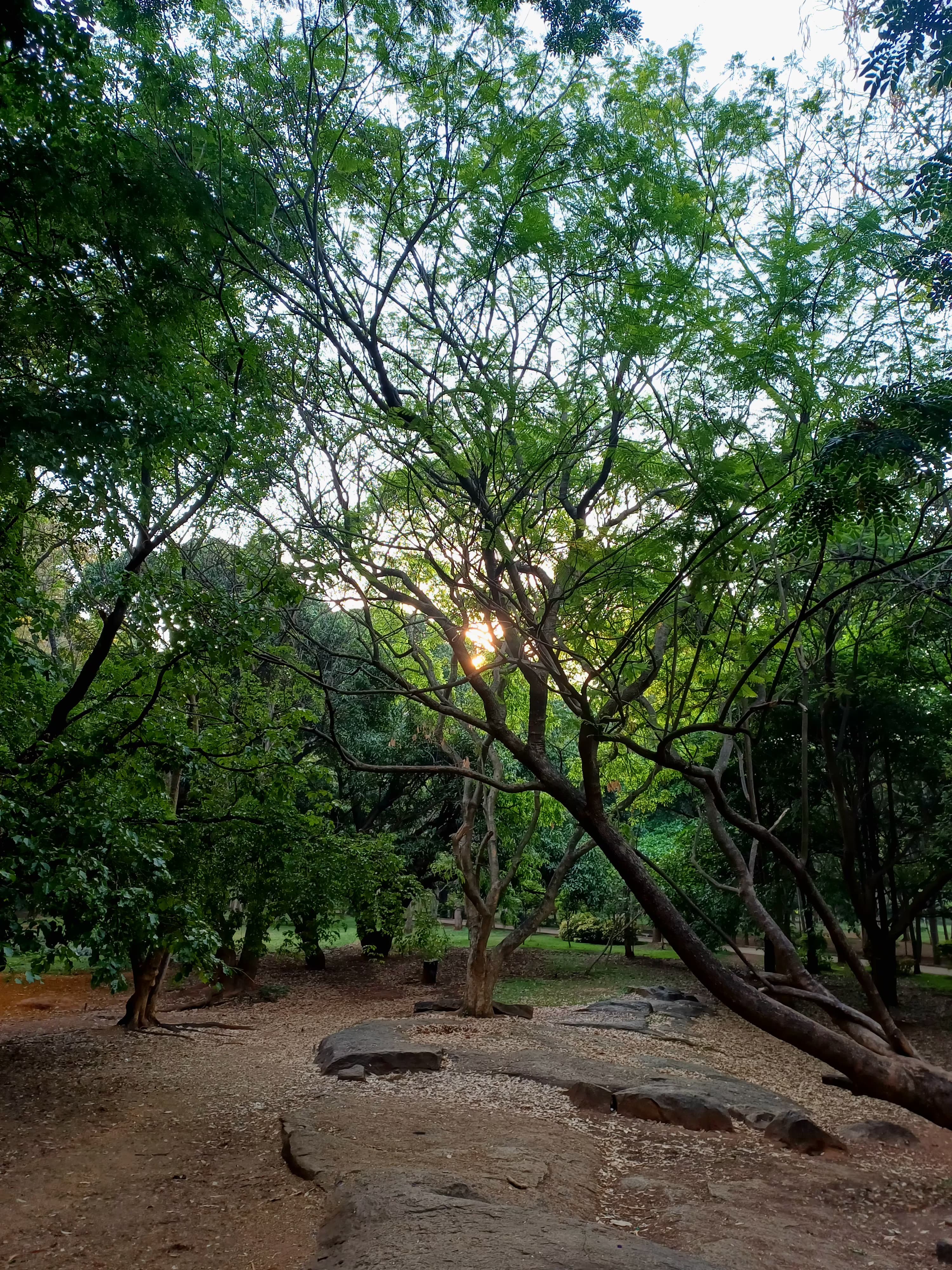
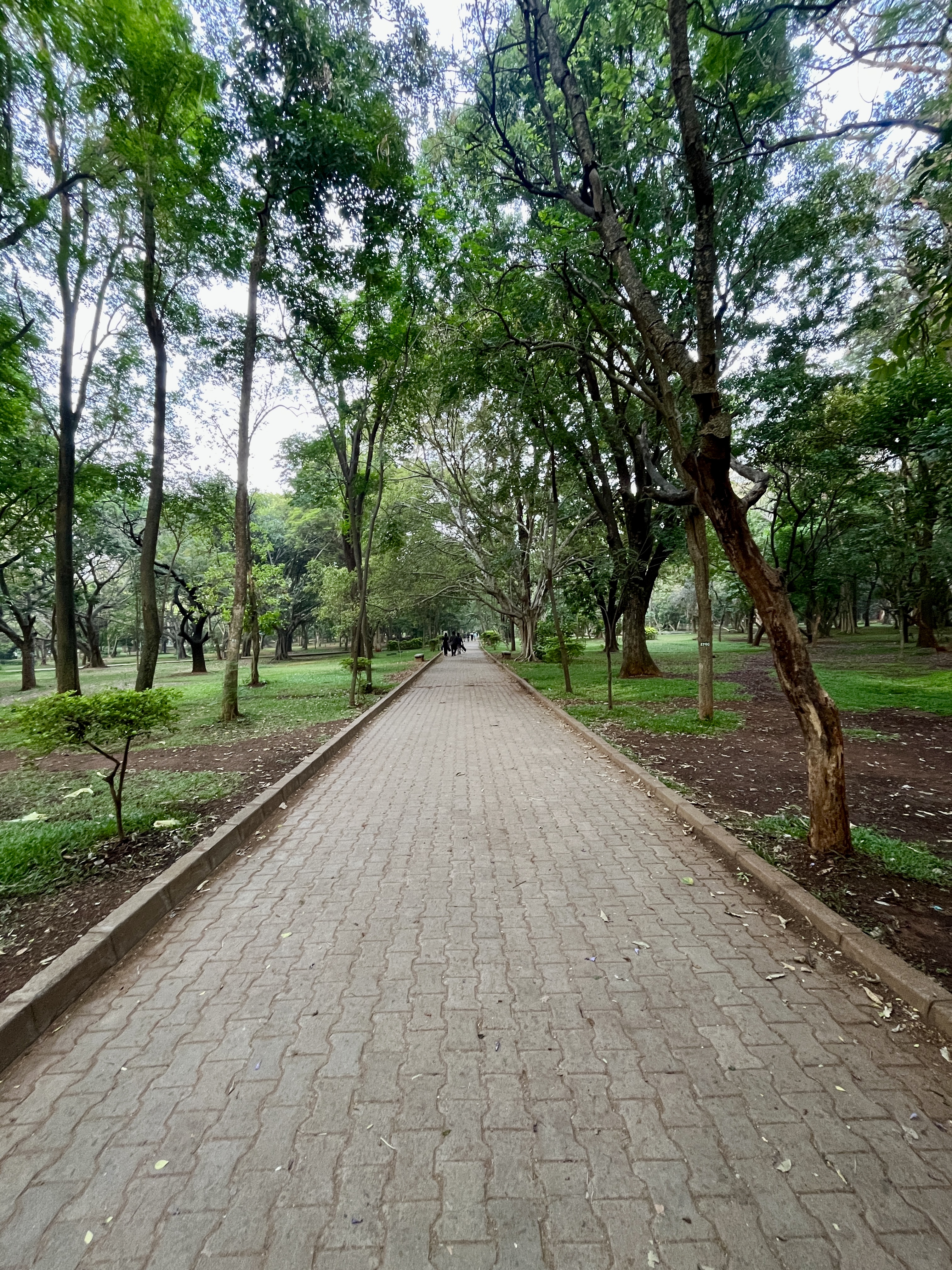
In the park I watched a young woman holding her baby, a few months old, while her husband did yoga next to her. She had the particular exhaustion in her eyes that comes from sleepless nights, and I found myself hoping it was the baby causing the trouble and not the quiet patriarchy that was also on display in that moment. I have a soft spot and an acute helpless feeling about women who suffer because of men, something which probably makes my reading of married men slightly too biased. That image could have just been about a beautiful baby causing the good trouble that babies universally cause their parents. I know that. But I am biased enough to read the scene as I read it, and what I think is worth noting is not whether my reading was correct but that I was reading at all, that I couldn't look at two people in a park without the interpretation arriving immediately and coating everything.
There was also something I wasn't fully comfortable examining in myself. I felt naturally drawn to the couples in the park, the ones holding hands, reading together, lying on the grass, kissing without self-consciousness, something which I've rarely seen so openly in other Indian cities. As someone who has always felt like an outsider, watching that kind of easy belonging felt like yet another data point, not because I want to be part of a couple exactly, but because I could feel the human need for it very clearly from the outside, in a way that felt less sad than clarifying.
I went to a book club which was pretty small but worth visiting. As I sat reading my own book alongside strangers it gave me something I hadn't expected, which was a kind of quiet acceptance, a shared experience, because outside of books I don't have much to offer as common ground with people. Most of the people there were fiction readers, something I don't particularly like beyond a fairly low threshold, but one person was reading a book I had just been about to buy, which became the obvious opening. He was an engineer from a fairly elite institute, and my second major fear surfaced immediately: I'm not smart enough to hold this conversation. But we talked about the mathematics behind AI and its implications, and throughout the conversation I never felt like I was dumb, and never felt like he was disrespecting me for existing. This was something I needed to do, another breaking of perception where I had been treating a belief as a fact, the belief that people won't value me if I am not their intellectual equal, and the belief turned out to be wrong, and I only found that out because I walked into the conversation despite believing it.
The book club was also where I understood something about what shared experience actually does. Not that it makes you belong somewhere exactly, but that it briefly dissolves the perception that you are fundamentally separate from everyone around me, which is a relief when you have been a loner long enough that the separateness starts to feel like a fixed feature of your personality rather than just a habit.
Unfortunately I was reading Arundhati Roy throughout this trip, her book "Mother Mary Comes to Me," and I say unfortunately because she's an exceptionally good writer and without bombarding facts about her past she gave me so many tangents to think about, especially about my relationship with my parents and with freedom, that it became almost too much to hold while also being present in a new city. She doesn't expand on things which are not so interesting but dives directly into the core of what matters, which as a writer is the rarest quality to develop, and I think that clarity comes from a lot of experimentation rather than just writing more.
The thing that kept surfacing for me from her story was a specific irony at its center, which is that the person who gave her the tools to think freely, who gave her language and education and the ability to question things and move through a world that would have otherwise kept her very fixed, is also the person she grew to resent most, because when someone gives you the tools to be free they are not always giving you permission to use those tools on the life they imagined for you. The mother gave her a voice and then was disturbed by what the voice said. She gave her freedom and then wanted that freedom to operate within certain walls. And the walls were exactly what the freedom made it impossible to stay inside.
I kept thinking about how much of my own perception of what I am allowed to want has been shaped by people who genuinely want good things for me, and how those two things, being loved and being limited by someone's love, are not mutually exclusive at all. Something which I have been pretending isn't a choice so I don't have to make it. And how long I've been doing that without being honest about it.
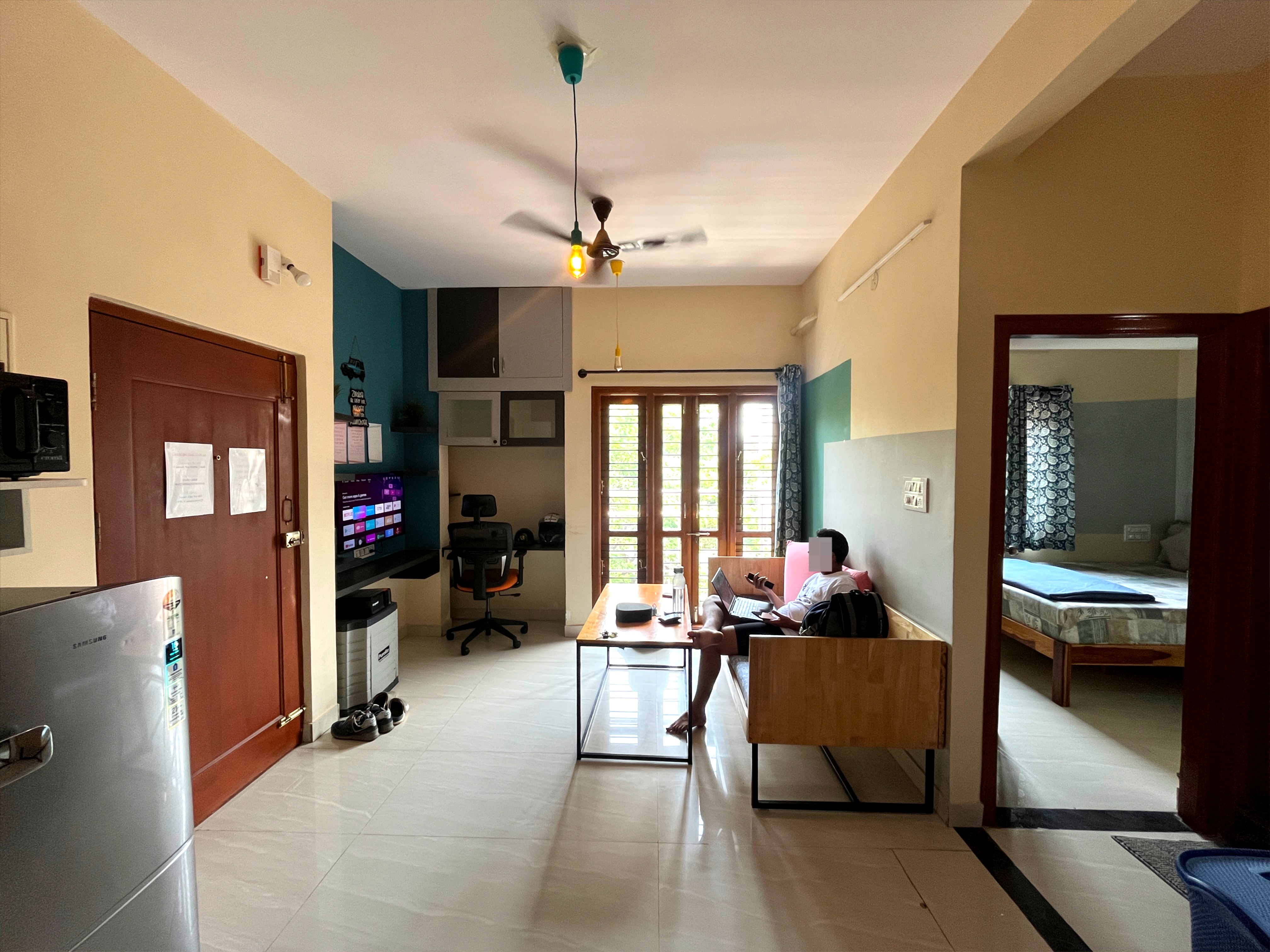
In the bookstore I watched my friend go through the shelves and recognised something in him, a version of me that was willing to go into depth without the anxiety attached to it, something I have always wanted but never quite had because the systems I moved through had no interest in rewarding that particular kind of mind. I didn't feel stupid next to him. I felt curious. Which is the better feeling by some distance.
He showed me a version of myself that I apparently still want to become, which is what I mean when I say you only see in people what you have already developed within yourself. I couldn't have recognised what I was watching if some part of it wasn't already there. The recognition itself is the evidence.
Every person I met in Bangalore was, in some way, a report on where I currently am. The seventeen-year-old showed me my own hesitance by contrast. The city showed me my own self-doubt by giving it somewhere to project. The woman in the park showed me my own biases by making them visible to me in real time. The engineer at the book club showed me a fear I had been treating as a fact. My friend in the bookstore showed me a version of myself I haven't fully grown into yet. None of them were trying to do any of this. I was the one who needed the mirrors.
The Arundhati Roy thread running through all of it was maybe the most honest mirror of all, because she writes about freedom and perception and the stories we inherit and then have to decide whether to keep, and I was reading her in a city I had convinced myself had already rejected me, slowly finding out that the rejection was mine all along.
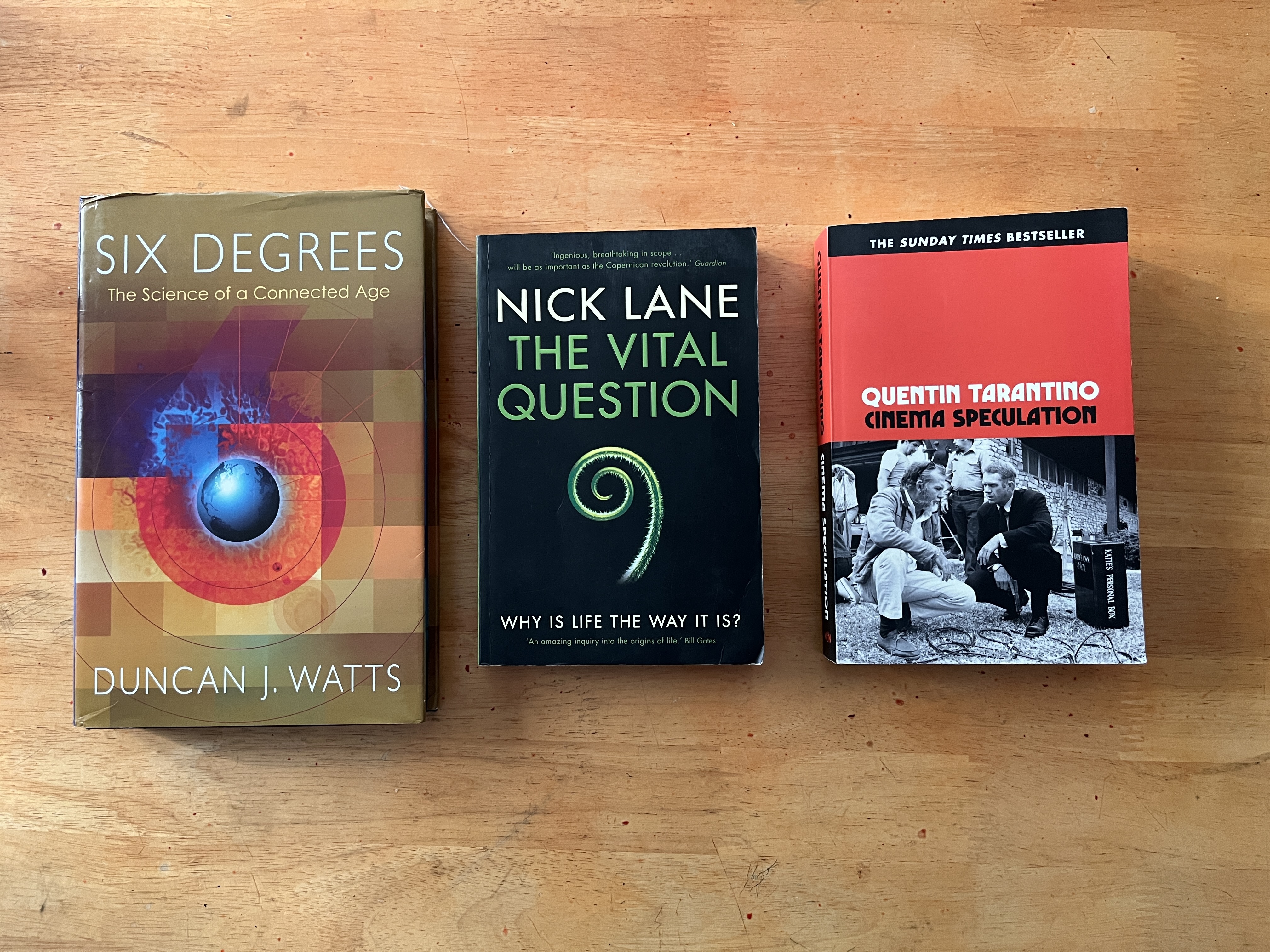
I came back with a few books, a lot of notes, and the slightly uncomfortable understanding that the experiment was never really about other people. It was about finding out what kind of mirror I have become, and whether I am willing to look at what it shows me honestly enough to do something about it.
I think I am. But let's see.